
When you hear the words “health centre,” you might picture a place you visit when you are sick—a waiting room, an appointment, and a conversation with a doctor or nurse practitioner. But a Community Health Centre is built to do much more.
Community Health Centres provide primary healthcare while also helping people address the everyday factors that influence their health. This can mean supporting someone before a health concern becomes more serious, connecting them with helpful community programs, and reducing barriers that make it difficult to access care.
This approach is based on a simple idea: good healthcare is not only about treating illness. It is also about preventing illness and creating the conditions people need to stay well.
What makes a Community Health Centre different?
Community Health Centres bring different types of care and support together in one place.
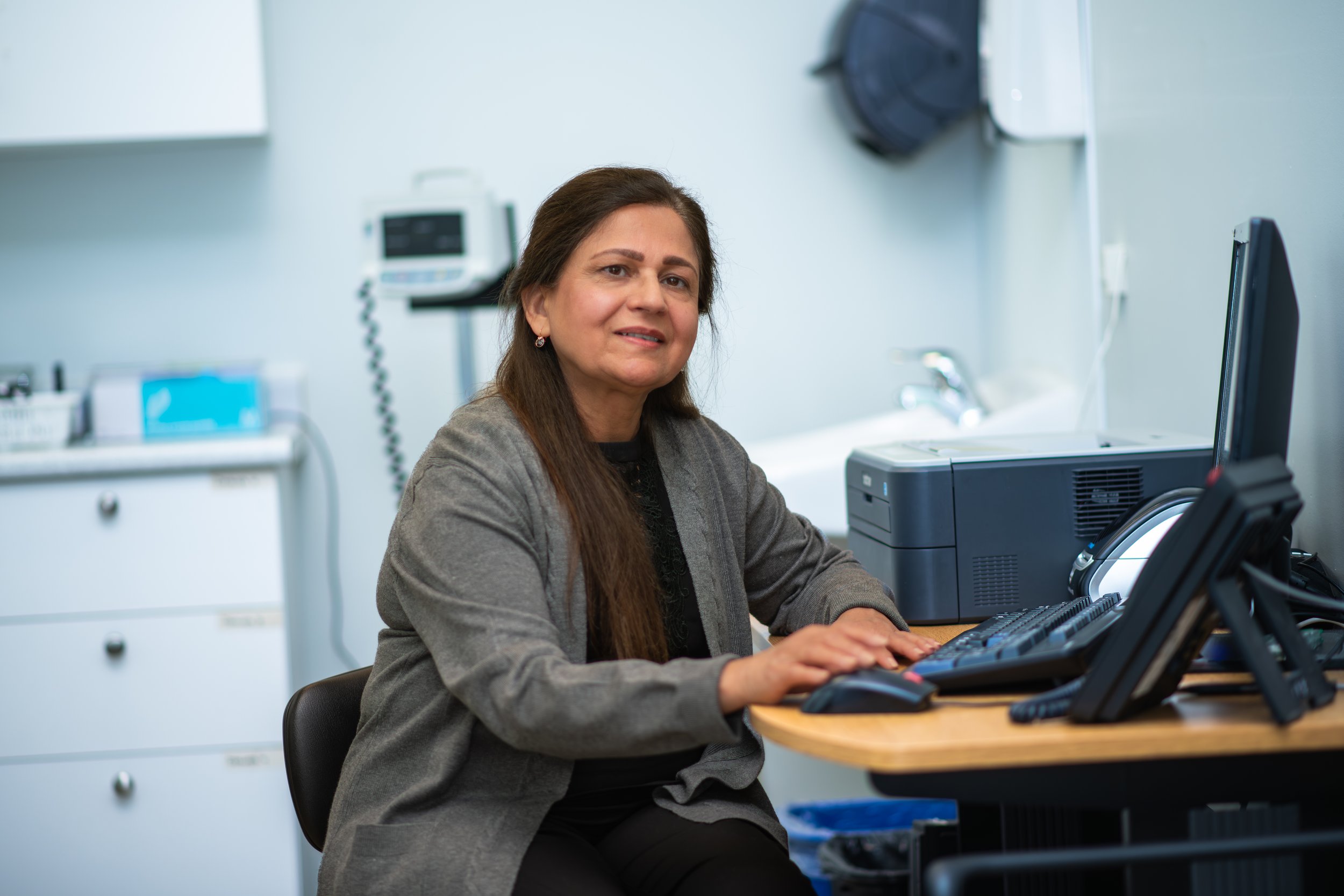
A community health team may include doctors, nurse practitioners, nurses, social workers, dietitians, physiotherapists, and other professionals. Rather than looking at one symptom in isolation, these professionals can work together to understand and support the whole person.
At Vibrant, our healthcare services include primary care, counselling, care navigation, physiotherapy, occupational therapy, chiropody, nutrition counselling, and diabetes support. Availability and eligibility vary by program. This team-based approach can make it easier for people to receive coordinated care and connect with the right support.
Prevention is built into the model
Many people seek healthcare after they begin feeling unwell. Community Health Centres certainly provide care when health concerns arise—but they also help people take steps to protect their health before a concern becomes more serious.
There is no single preventive-care checklist that is appropriate for everyone. The care you may need depends on factors such as your age, health history, family history, and individual circumstances. A primary-care provider can help you understand which appointments, vaccinations, and screenings may be right for you.
Prevention can also begin with a conversation. Changes in your sleep, mood, appetite, energy, mobility, or ability to manage daily activities may be worth discussing—even if they do not feel urgent.
Health is shaped outside the examination room
Imagine being encouraged to eat nutritious food while struggling with the cost of groceries. Or being advised to exercise without having a safe, accessible, or affordable place to do it. Perhaps a person is trying to manage a chronic condition while also facing housing instability, social isolation, transportation challenges, language barriers, or difficulty navigating healthcare services. Health advice matters, but so do the conditions in which people live.
Community Health Centres recognize that someone’s physical health, mental health, relationships, income, housing, culture, accessibility needs, and sense of belonging can all be connected. By understanding these circumstances, healthcare teams can provide care that is more practical, respectful, and responsive to the person’s life.
Sometimes the next step is a medical treatment. At other times, it may be counselling, nutrition support, an exercise program, help finding a community service, or simply having someone listen.
Community connections are also part of care
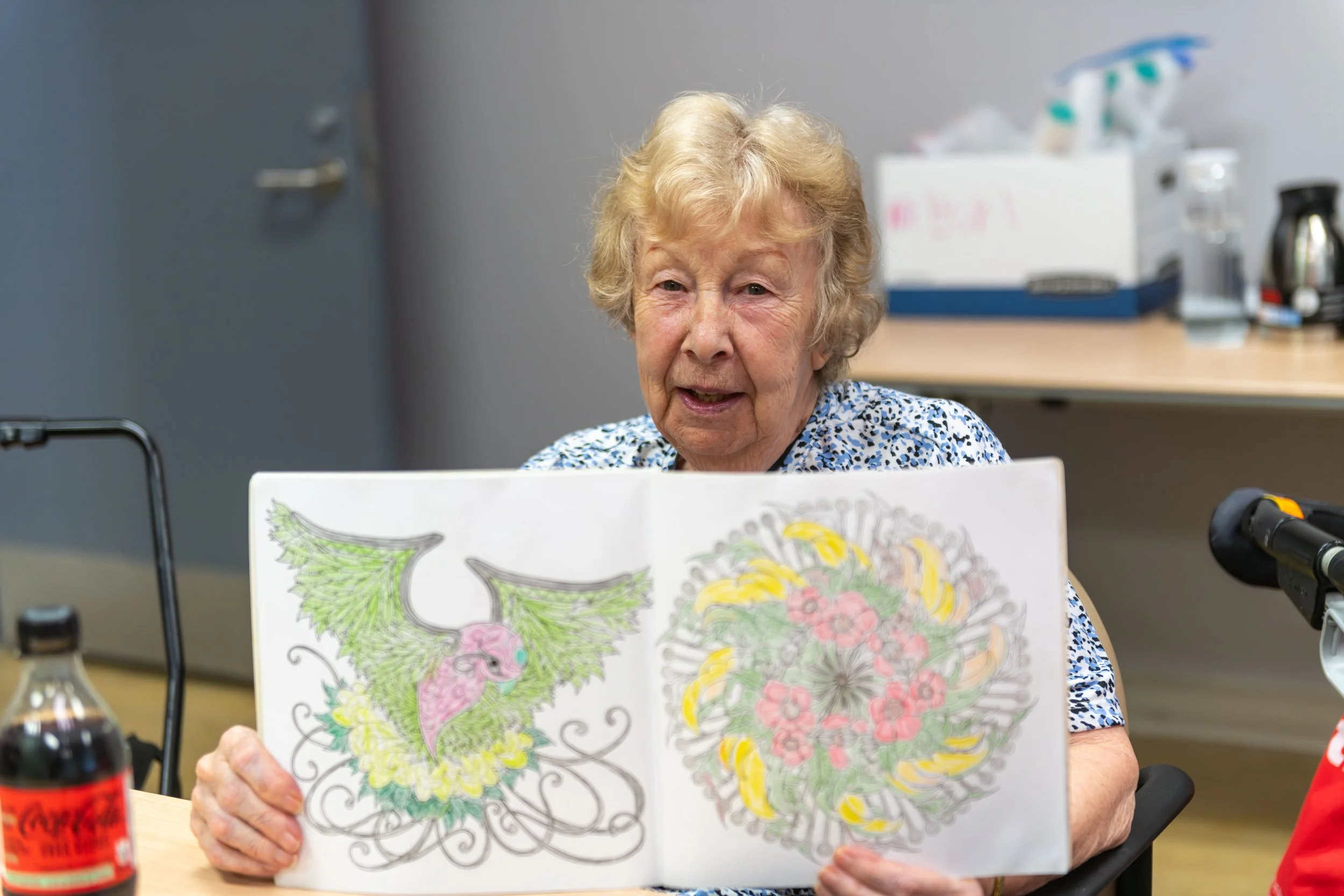
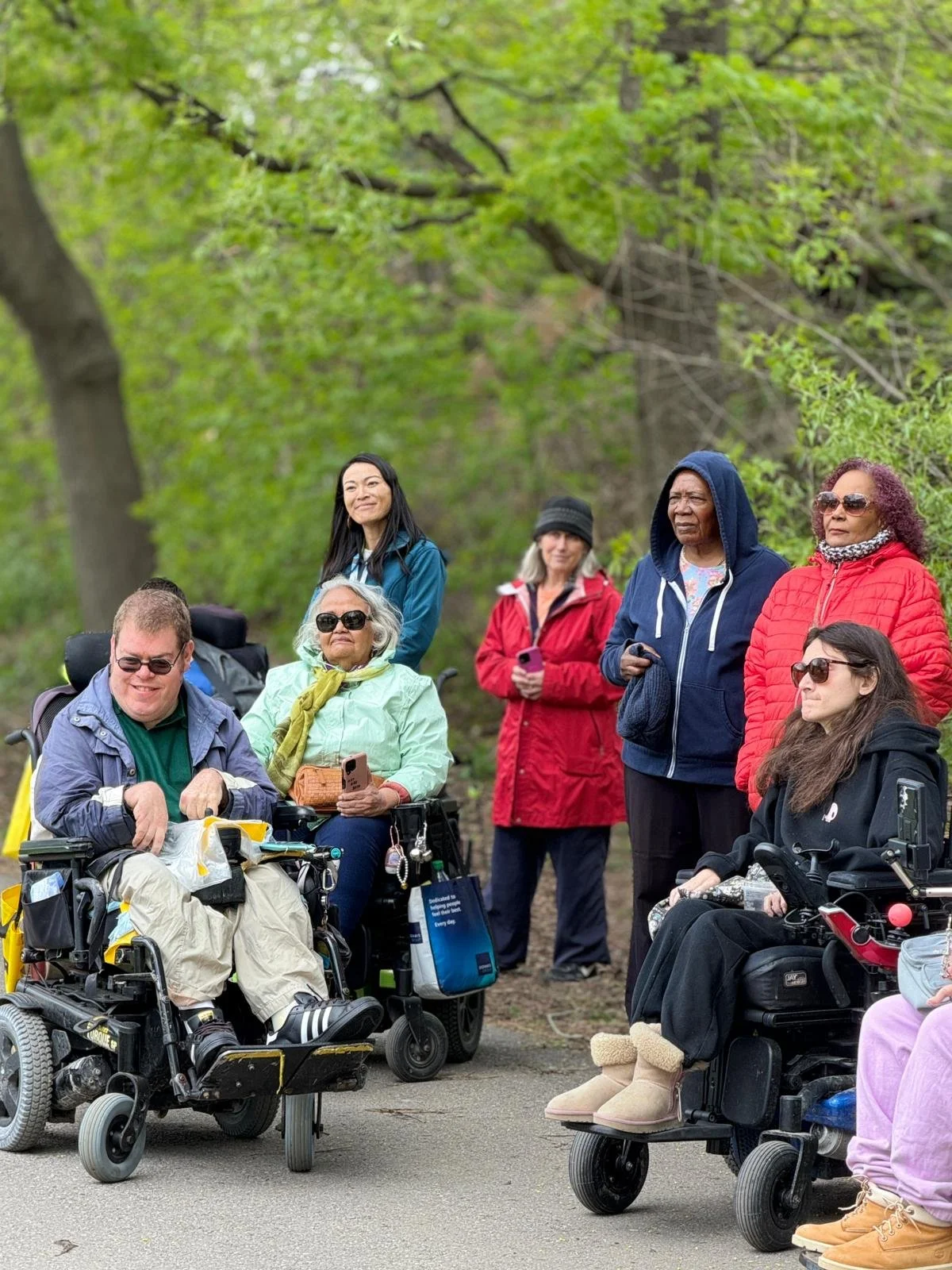
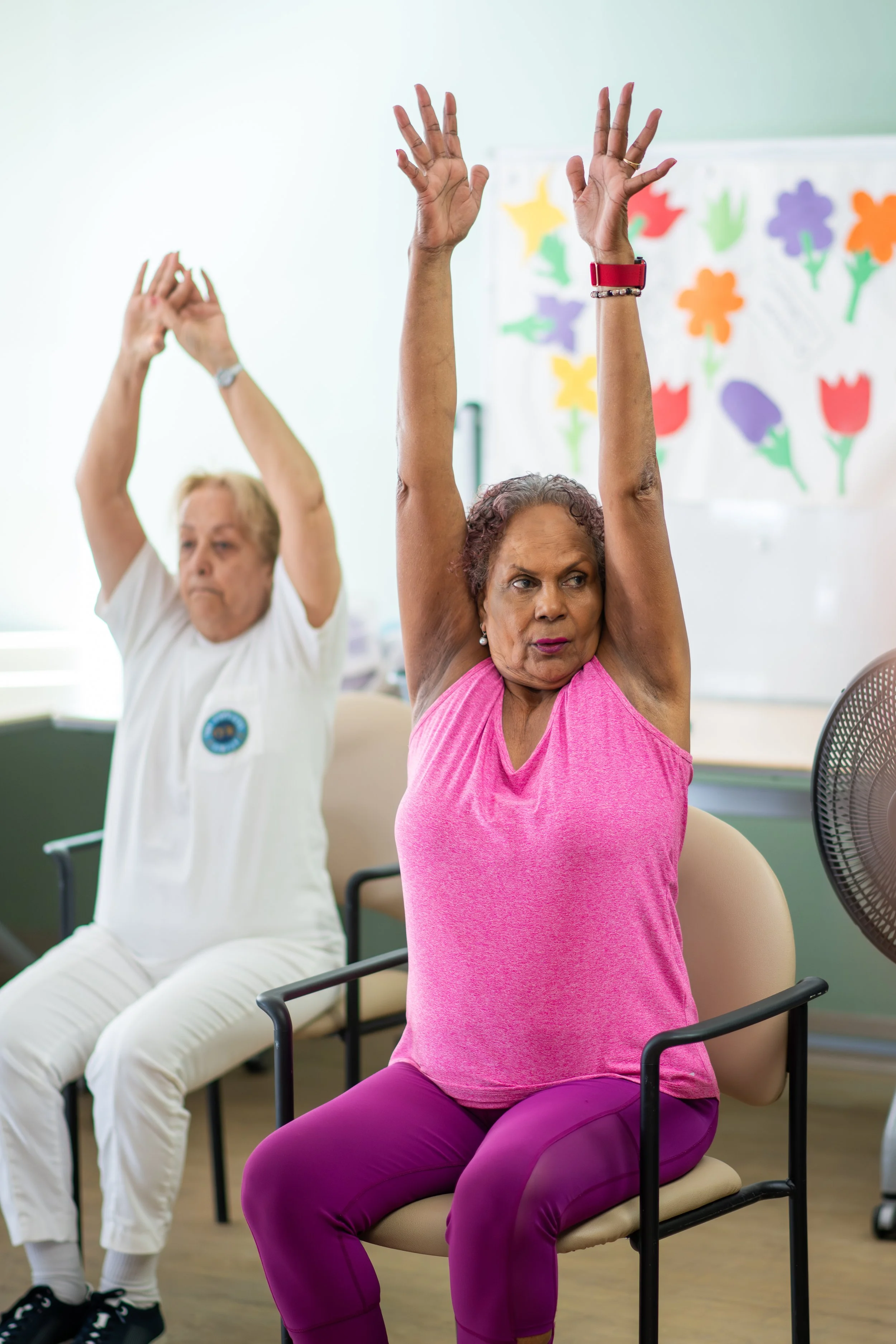
A walking group, mindfulness session, knitting circle, or seniors’ program may not look like traditional healthcare. However, these activities can support movement, confidence, creativity, routine, and social connection. Community programs can also provide something many people are missing: a welcoming place to belong.
At Vibrant, wellness programs bring people together through physical activity, learning, creativity, and shared experiences.
Program schedules and availability may change, so check the linked pages or contact Vibrant before attending. These programs do not replace medical care. They complement it by creating opportunities for people to stay active, build relationships, learn new skills, and feel connected to their community.
Care shaped around the community
The word “community” in Community Health Centre is important.
Every neighbourhood has different strengths, needs, cultures, and barriers. Community-based healthcare responds by listening to the people it serves and developing programs around their experiences. This may involve offering accessible programs, providing care through a multidisciplinary team, working with local organizations, or connecting clients with services beyond the health centre.
At Vibrant, our work is grounded in healthcare, attendant care, and wellness programs. Together, these services support people’s health, independence, and participation in community life.
Find a Community Health Centre
If you live outside Vibrant’s service area, use the Alliance for Healthier Communities directory to locate a community-based primary healthcare organization in Ontario: Find a Centre | Alliance for Healthier Communities
Community Health Centres do not simply wait for people to become sick. They work alongside community members to prevent illness, manage health concerns, reduce barriers, and strengthen connections.
At Vibrant Community Health, we believe that good health grows through both quality care and a strong, supportive community.