
As November sets in, cold weather, icy patches, falling leaves, and shorter daylight hours significantly increase the risk of slips, trips, and falls. November is widely recognized as Fall Prevention Month, making it the ideal time to focus on environmental hazards, personal mobility, and home safety. Below are some practical tips
Clear autumn hazards around the home. Falling leaves and early frosts can transform walking paths into sudden safety risks:
Clear leaves promptly: Wet leaves on driveways, walkways, and steps are as slippery as ice. Keep main pathways clear.
Inspect outdoor lighting: Shorter November days mean walking in the dark more often. Replace burnt-out porch bulbs and consider adding motion-sensor lights near walkways and steps.
Watch for black ice: Frost can form rapidly on steps and pavement during crisp autumn nights and early mornings. Keep rock salt near entryways.
Fall-proof your indoor living space. Most serious falls occur inside the home, when simple adjustments can prevent major injuries:
Secure area rugs: secure loose rugs with double-sided rug tape or non-skid backing, or remove them entirely
Clear high-traffic pathways: keep hallways, staircases, and living areas free of clutter, loose cords, and stray footwear
Install bathroom support: Add non-slip mats inside showers and tubs, and consider installing sturdy grab bars near the toilet and shower.
Review medications and vision. Physical stability relies heavily on vision and sensory awareness.
Schedule an annual eye exam: Autumn can be a good time to remember to do this as daylight hours get shorter. Outdated prescriptions or unaddressed cataracts, for example, can increase fall risk.
Check for dizziness-inducing meds: Certain prescriptions and over-the-counter drugs can cause drowsiness or blood pressure drops. Have a pharmacist or doctor review your medications.
Build strength and balance. Maintaining physical health is one of the most effective long-term strategies for preventing falls:
Wear supportive footwear: Ditch loose slippers or slick socks indoors. Choose shoes or slippers with non-skid rubber soles, low heels, and good arch support.
Focus on leg strength: Simple bodyweight exercises like chair stands, leg lifts, and heel raises strengthen key muscle groups used for balance.
Practice balance daily: Practice single-leg stands near a sturdy counter or try gentle practices like Tai Chi to improve stability
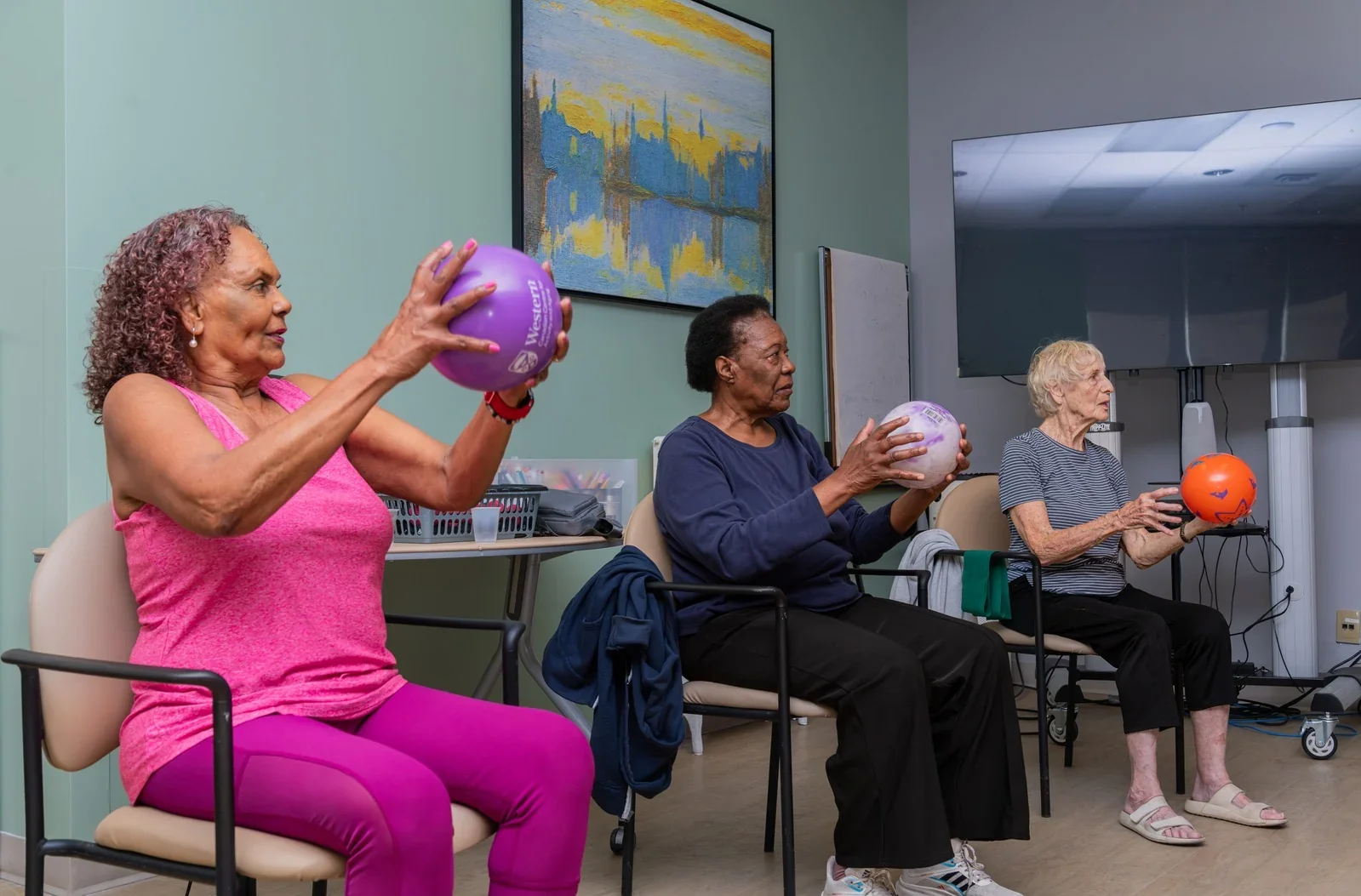
Join an exercise group: Staying active in a group setting builds consistency and keeps balance training fun. Explore community programs like our group exercise classes right here at Vibrant to stay active throughout the colder months.
For more information on our older adult fitness groups, such as Gentle Exercise or Fit for Life, please reach out to Anne Crasto, Health Promoter, at ext. 263, or by email at programs@vibrantch.ca. She can help you find the right group for your fitness goals or get your name on the interest list for our 2027 Fall Prevention Series: Strong & Steady.